

RnD system
The KLIPPEL R&D system, mainly composed of hardware platforms, engineering management software and a wide variety of test software modules, is used for all types of electroacoustic/audio testing.
R&D systems mainly provide daily acoustic testing, small signal and large signal parameter testing (including T/S parameters), distortion testing, accelerated life and power testing, numerical simulation and listening testing. It can be used to test almost all types of speaker products, from micro speakers to subwoofer units, and even audio systems.
Test accessories such as laser sensors, test microphones, power amplifiers and product mounts, etc., to help improve the entire test system.
The Vibration Scanning System (SCN) is an extended system component that uses KLIPPEL analyzer hardware and special control software and accessories for testing and analyzing speaker cone vibration and acoustic radiation. There are other system extensions available for users to choose from, such as Suspension Component Test (SPM), Material Parameter Test (MPM), Near Field Scan (NFS), Magnetic Field Scan (BFS), ...
Sudden Sound Test (TBM) / Suspension Component Test (SPM) / Numerical Simulation (SIM)

●Sudden Pronunciation Test (TBM)
The TBM module provides automated bursty test sequences in accordance with ANSI/CEA-2010 standards. Using the adjustable burst signal, test the speaker's maximum output sound pressure level. In the user-specified series frequency, combined with the increase of the amplitude of the excitation signal, the test is automatically repeated, and if the amount of distortion in the sound pressure output reaches the user-set threshold, the test automatically stops and reports the maximum SPL at this time.
●Suspension component test (SPM)
The nonlinear rigidity K(x) and reciprocal cisis C(x) of the suspension parts (bounce waves, folding rings, paper cones) and passive radiators are evaluated relative to the vibration displacement x within the operating stroke range of the suspended parts. KLIPPEL has developed a dynamic non-destructive test method in accordance with IEC62459 to test components under the same operating conditions as loudspeakers, which ensures high test accuracy while simplifying the test system and shortening the test time. The suspended parts to be tested are mounted on the test bench using several fixtures (ring kits, conical kits, lid kits, etc.) and can be adapted to diameters up to 222mm. The test bench pneumatically excites the component under test, depending on the rigidity of the suspension part, the quality of the component as well as the internal fixing part and the vibration at the resonant frequency. The parameters obtained by the test can be used to determine the properties of the suspended parts at large signals, and to detect asymmetric and symmetrical vibrations, which are the causes of unstable vibration manifestations and nonlinear distortion.
● Numerical Simulation (SIM)
The module performs numerical prediction of the performance of motorized loudspeakers, systems (open box, closed box, band-through box, passive radiator, etc.) for small and large signals. The extended loudspeaker model takes into account the main nonlinear characteristics of the speaker unit (drive system and suspension system), acoustic system (air compression, opening loss, passive radiated suspension components, Doppler effect), power consumption and heat transfer, and the linear, nonlinear and thermal parameters obtained by testing the actual horn using the LSI module, or the virtual parameters of the design solution. For two-tone excitation signals, all electrical, mechanical and acoustic variables can be calculated. Through spectrum analysis, the fundamental components and distortion components (harmonic distortion, intermodulation distortion, DC-like components) can be calculated. Each nonlinear characteristic in the system can be turned on or off to study its effect on the output of the system. This can reveal the main sources of distortion, and give valuable information for optimizing speaker design.
Vibration Scanning System (SCN) / Swing Modal Analysis (RMA) / Power Test (PWT) / Near Field Scanning System (NFS)

●振动扫描系统 (SCN)
振动扫描系统测试使用于喇叭, 微型喇叭, 耳机以及其他电声或电机换能器里面的辐射器, 音箱以及机械部件的振动以及机械结构.SCN分析软件则使用扫描到的数据, 执行机械振动结果的查看, 动画显示以及模态分析. 使用机械振动数据,半空间声场中任意点的声压输出以及极坐标下的辐射特性就可以预测出来。受专利保护的分解技术,能显示喇叭振动的径向模式以及周向模式, 以及与SPL输出相关的振动成分。这就是分析的目标,提供对喇叭振动与辐射之间关系的更好理解.
●摇摆模式分析(RMA)
摇摆模式分析模块, 利用非接触扫描测试得到的振动数据以及扬声器线性参数, 来执行摇摆模式的全面诊断. 揭示出喇叭组成部件的品质问题, 如振膜, 悬吊部件, 磁场以及装配过程中的其他问题. 该模块提供摇摆模式能量级的相关信息, 有质量, 刚性以及Bl不对称特性引发的不均衡驱动力的幅度以及方向. 提供一组全面的模态参数, 与那些驱动力(根本原因)的与振膜最终的倾斜能量(症状)之间的传递谐振关系对应起来.
●功率测试模块(PWT)
功率测试模块PWT, 结合硬件平台: 失真分析仪DA2或功率监视器PM8, 可以对喇叭单元或系统执行破坏性的测试, 同时永久性地监视电学, 机械学, 热学状态变量以及参数变化.仪器产生的或外部输入的信号,在仪器内部进行幅度, 频谱带宽或峰值因子等参数的控制, 并持续地激励被测喇叭单元. 喇叭音圈温度的上升就可以通过监测喇叭端的电学阻抗变化来测试得到(通过对电学阻抗的测试, 喇叭的机械参数和瞬间的位移量也可以得到监测, 而不需使用声学, 机械或热学传感器.) 系统对喇叭参数及状态变量进行周期性的采集并储存在硬件单元内部的缓存器内. 使用USB连接仪器与电脑, 用户就可以查看并研究扬声器损坏过程的详细信息. 这些信息对于查找喇叭失效的根本原因及损坏事件的时间次序等是非常重要的, 可以让用户更精确地评估到喇叭的最大输入限制.
●近场扫描系统(NFS)
近场扫描系统提供对被测声源辐射的直达声的全自动测试。辐射的声音在扫描表面外的三维空间内任意距离,任意角度上可以得到确定。可以得到任意类型的扬声器或音频系统的指向性,声功率,声压响应以及许多其他关键指标, 如近场应用的监听音箱,移动设备)和远场应用的专业音频系统等。 利用最少数量的测试点,就可以得到全面的数据集, 包含扬声器高精确度的远,近自由场的声辐射特性数据。
微型悬吊部件测试(MSPM)/材料参数测试(MPM)/微型喇叭多点测试(MMT)/差异听音(DIF-AUR)

●微型悬吊部件测试(MSPM)
微型悬吊部件测试(MSPM)模块, 是设计用来对微型喇叭(微型喇叭, 耳机, 高音, 麦克风等)悬吊部件小信号和大信号参数进行测试的模块. 悬吊部件被粘接或安装固定到一平面板上,然后整体安装固定到密闭压力腔上. 悬吊部件在压力腔内的声压激励下发生形变, 通过同时量测部件形变的位移量以及压力腔内的声压, 部件的参数如谐振频率, Q值, 刚性, 振动质量以及机械阻抗等, 就可以动态地测试出来.
●材料参数测试
材料参数测试模块(MPM), 测试扬声器设计所用原始材料的杨氏模量E以及损耗因子η. 改良后的悬臂梁技术(ASTM E 756-93), 也可以用来测试柔软材料, 如薄塑料片,橡胶以及任何类型纸质材料以及符合纤维材料等. 裁剪为1cm宽的测试条后, 测试条一端固定, 并使用SPM测试台进行气动地激励.
●微型喇叭多点测试工具(MMT)
MMT模块, 对微型喇叭的多个LPM测试结果进行数据后处理,从而增加参数识别的精确度.对微型喇叭振膜表面上多个位置的线圈位移量进行测试并进行空间平均处理, 可以补偿由于喇叭摇摆模式及其他不规则振动模式带来的误差. 在真空条件下以及在最终应用情形下执行的额外测试, 可以评测喇叭纯粹的机械参数, 将其从声学元素中分离出来.模块支持高级的蠕变模型(Ritter), 可以研究微型喇叭在低频区域时重要的粘弹性表现.
●差异可听化技术(DIF-AUR)
差异可听化技术模块, 通过计算调节增益和时延之后的测试信号xT和参考信号xR两者之间的差异, 将失真信号分离出来并进行分析. 这种可听化技术不需要扬声器模型, 只需对被测设备的输出信号进行录制, 分别在小信号域(参考信号)和大信号域(测试信号)条件下进行录制. 这对于聆听由非线性纸盆振动产生的失真, 以及由打线, 擦圈, 松动部件产生的失真及其他缺陷失真来说, 是非常重要的一个功能.
三维失真分析(3D-DIS)/传递函数测试(TRF)/大信号辨识(LSI 3)/线性参数测试(LPM)

●三维失真分析(3D-DIS)
该模块使用频率变化或幅度变化的单音或双音激励信号执行一系列稳态测试. 可以同时测试两个信号, 如电压, 电流, 位移量以及声压级等; 由于仪器使用了高质量转换器以及同步数据采集机制, 频谱成分(基波, 谐波以及互调失真, 类直流偏移成分等)可以获得很高的信噪比, 而且频率可高达48 kHz或96 kHz(取决于硬件平台). 测试完成后, 频谱成分的幅度可以用2D或3D曲线的形式表示成对激励信号频率或幅度的关系曲线.
3D-DIS模块的功能对于扬声器的测试特别有用. 如果测试过程中总谐波失真量或线圈温度变化量超过了用户设定的限值, 软件模块自动中断测试, 以避免机械或热学过载而导喇叭损坏.
●传递函数测试TRF
TRF模块可同时测试两个信号并确定线性传递函数的幅度及相位, 以及谐波失真成分. 激励信号为一个频谱, 带宽及峰值因子可调的对数正弦扫频信号. 对脉冲响应使用时间窗(门控)技术, 可以将直达声信号与早期反射声, 混合声场以及非线性虚假信号分离开来. 最终, 数据后处理可以得到时间延迟, 最小相位, 群延迟以及若干频率-时间转换信息(如累积谱线衰减,超声图谱). 使用一种新的测试技术来侦测低能量的脉冲失真信号成分, 如Rub & Buzz缺陷. 它能反映出具有更低能量的失真成分, 并且与传统的傅立叶分析方法相比具有更高的分辨能力(Instantaneous distortion), 传统的傅立叶分析只是反映出失真成分的平均值. 除了使用2D的方式(失真vs. 频率)将结果表达出来外, 模块还可以使用3D显示方式来表达测试的脉冲失真结果, 失真成分可以映射到频率以及以下任一个信号(线圈位移量, 声压等), 这对于定位脉冲失真成分以及识别其来源是非常有用的.
●大信号辨识(LSI 3)
软件模块LSI3, 用来辨识低音, 微型喇叭, 耳机, 高音, 激励器, 小型喇叭以及其他电动式换能器的集中参数模型里面的各个元素. 可以用来测试自由空气场中或安装于音箱中的喇叭单元. 被测的单元工作在常规工作条件下, 并使用宽带噪音信号激励. 从小信号域开始, 激励信号的幅度逐渐增加到被测喇叭的限制电压. 更大的激励电压通过识别到的状态变量以及常规的描述热学以及机械负载的保护参数来自动确定. 应用一种自适应的机制, 实时识别喇叭模型的各个参数. 它基于对逆电动势的预测来实现, 通过监测喇叭端的电压U(t), 以及流过喇叭线圈的电流I(t)来实现. 振动过程中动态产生的直流偏移量DC, 幅度压缩以及其他非线性特性的影响, 可以得到详细的研究.
●T/S参数测试(LPM)
该软件模块通过测试喇叭两端的电压, 电流信号, 对电动式扬声器的电学参数,机械参数进行精确地辨识.
使用激光位移量感应器, T/S参数的辨识无需进行两次测试,避免了由于箱体漏气或质量附加时带来的问题. 使用激光测试的方法, 悬挂部件的低频蠕变效应也可以辨识出来, 使电声器件在低频的模型更加精确.该模块测试完成后, 显示出测试时信噪比是否足够的信息, 并且提示用户测试结果是否收到喇叭非线性特性以及功率放大器输出性能的影响.
MORE PRODUCTS

A2B Audio Interface ADIO2
A2B-ADIO2 is an analytical solution developed based on the emerging Automotive Audio Bus (A2B) technology. It is specifically designed to meet the measurement needs of manufacturers in the automotive and consumer electronics audio industries. This audio interface features flexible A2B network configuration and a variety of audio input and output interfaces. Combined with audio testing software, it can efficiently perform audio tests on various A2B components, such as car head units, car amplifiers, car microphones, etc., making it ideal for R&D and production testing. Note: A2B network configuration is independent of SigmaStudio.
MORE
AB-PSIO
PSIO is a new-generation programmable serial I/O module that delivers a high-performance upgrade solution for digital audio testing. It features major advancements in low-voltage operation, signal integrity, clock performance and format flexibility, fully replacing and outperforming the DSIO module to meet the testing demands of today’s audio IC and system design engineers. This module can be directly connect-ed to chip-level audio interfaces such as I2S, supports all mainstream serial interface formats, TDM protocols and multiple data line configurations, and enables audio data transmission with up to 16 channels.
MORE
HSMT Audio Interface
HSMT-ADIO is an analysis solution developed based on the emerging automotive audio bus HSMT technology, designed specifically to meet the measurement requirements of manufacturers in the automotive and consumer electronics audio industries. This audio interface features flexible HSMT network configuration and rich audio input/output interfaces. Combined with audio test software, it enables efficient audio testing for various HSMT components, such as automotive head units, amplifiers, microphones, and more. In addition, it supports multiple communication interfaces including USB, Ethernet, CAN, etc., making it highly suitable for R&D and automated production line testing.
MORE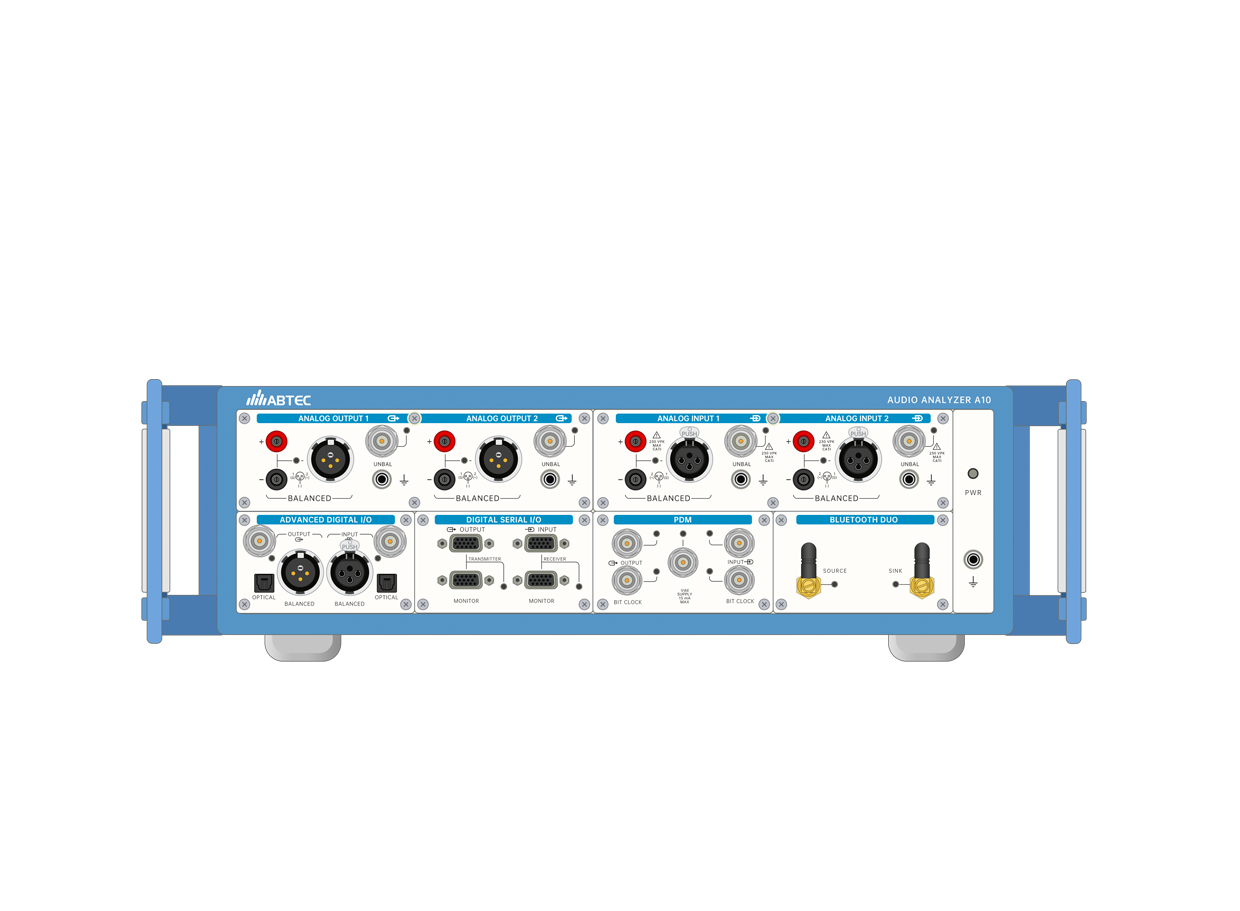
Audio analyzer A10
A10 is currently the most high-performance and fully functional analog 2-channel audio analyzer, fully benchmarking with AP company APx555. It has a high-performance sine signal generator and analyzer, which can generate sine signals up to 204kHz and residual THD+N of less than -120 dB in the system. It has a testing bandwidth of over 1MHz and supports all digital interfaces (ADIO/BT/I2S/HDMI/PDM) and advanced master clock (AMC) modules. It is an ideal testing equipment for the development stage of audio products.
MORE
Sound Calibrator HS6020
The HS6020 sound calibrator is mainly used for testing the sound pressure sensitivity calibration of microphones and acoustic measuring instruments. It has the characteristics of small size, light weight, stable performance, and easy use, and meets the technical requirements of Class I calibrators in IEC942 "Sound Calibrators".
MORE
A2B Audio Interface
A2B-ADIO is an analytical solution developed based on the emerging A2B technology for automotive audio buses, specifically designed to meet the measurement needs of manufacturers in the automotive and consumer electronics audio industries. This audio interface has flexible A2B network configuration and rich audio input and output interfaces. Combined with audio testing software, it can efficiently perform audio testing of various A2B components, such as car infotainment systems, car amplifiers, car microphones, etc., making it very suitable for research and production testing.
MORE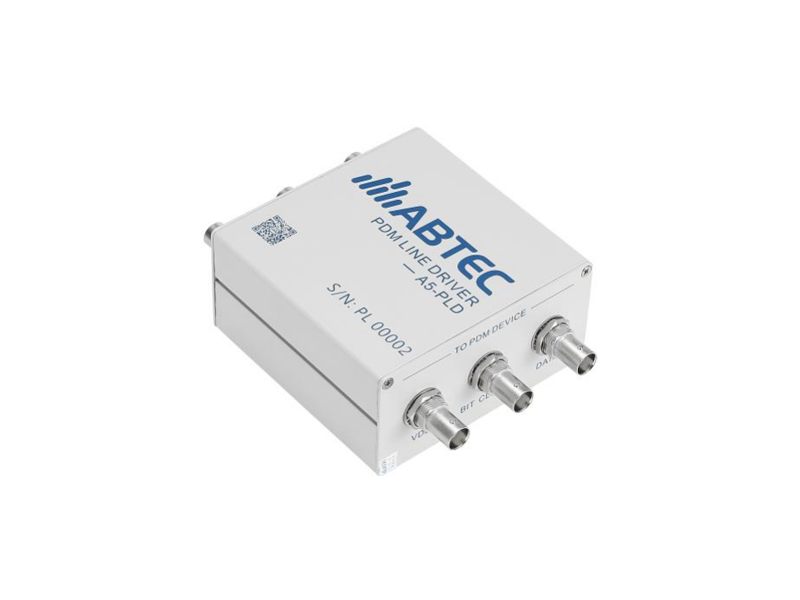
PDM Extension Adapter AB-PLD
The PDM extension cable adapter addresses the distance issue between PDM microphones and audio analyzers during testing. It provides buffering for PDM audio data, allowing the use of cables up to 45 feet (13.7 meters) in length between the DUT and analyzer without loss or alteration of the digital signal.
MORE
AB-HDMI2+eARC Option
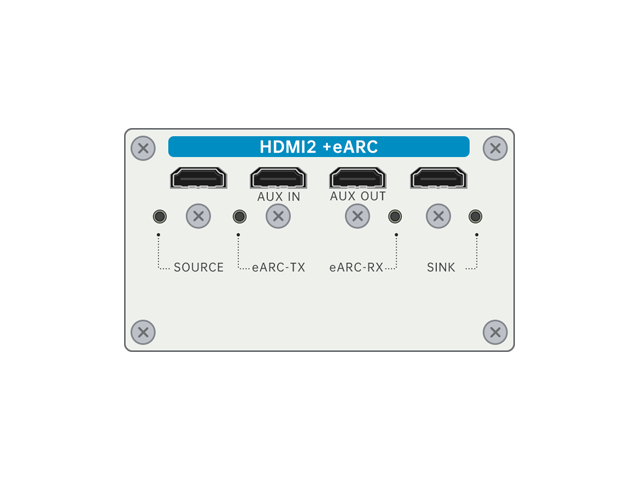
The HDMI 2+eARC module allows engineers to measure HDMI audio quality and audio format compatibility on consumer audio devices such as surround sound receiv-ers, set-top boxes, streaming players, televisions, sound-bars, Blu ray disc players, as well as smartphones and tablets. Provide connections for source and sink devices, as well as additional HDMI connections for auxiliary video input and monitor output. Supporting ARC and eARC has increased the ability to test ARC and eARC audio quality and connectivity on receivers, televisions, and streaming hardware that support them.
MORE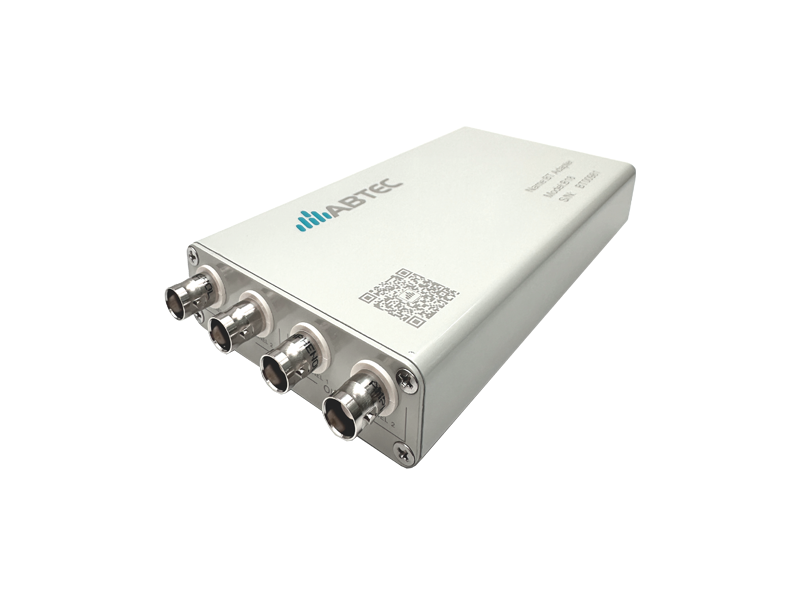
Bluetooth Adapter
Specially designed for Bluetooth products and their automated testing, in addition to providing Bluetooth connection with the tested product, it also offers 2 analog audio input/output interfaces. With the help of an audio analyzer, it can perform Bluetooth audio (A2DP and HFP) indicator testing for the tested product, and support function testing such as up and down songs, addition and subtraction volume, battery level, pause and answer.
MORE
Filter 20K
Dual channel multipole LRC passive low-pass filter, mainly used for audio measurement of Class D amplifiers. It can provide out of band attenuation for audio and reduce the steepness of fast transition edges, providing signal preprocessing for testing accuracy, with a passband of 20-20kHz.
MORE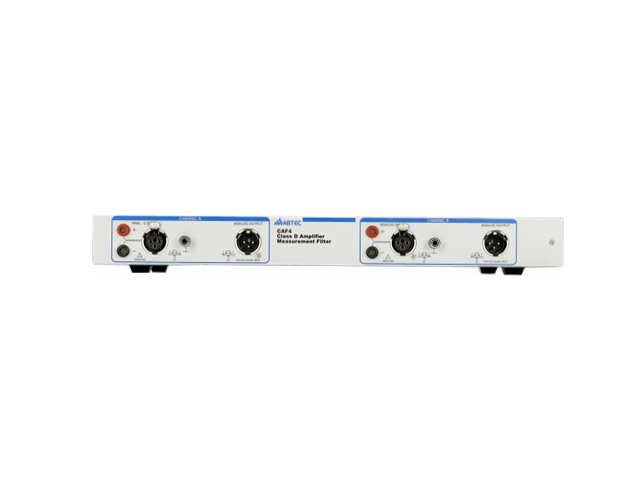
Filter 40K
Dual channel multipole LRC passive low-pass filter, mainly used for audio measurement of Class D amplifiers. It can provide out of band attenuation for audio and reduce the steepness of fast transition edges, providing signal preprocessing for testing accuracy, with a passband of 20-40kHz.
MORE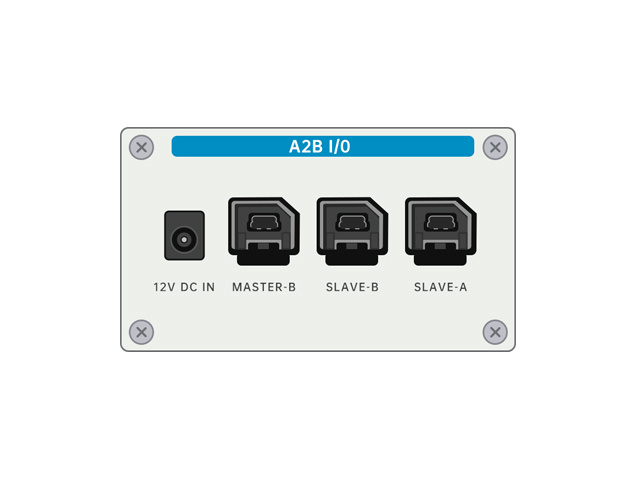
AB-A2B Option
The latest audio analyzer interface option AB-A2B launched by Aptec is a set of audio interfaces developed based on A2B automotive audio bus technology, designed to meet the testing and measurement needs of manufacturers in the current automotive electronics and consumer electronics audio industry. This module has flexible A2B network configuration and interface functions, making it an indispensable tool for designers and manufacturers in the related audio industry. The AB-A2B interface module has independent Master and Salve, which can provide direct connection with the test product and also provide an additional power input interface for auxiliary testing. These interfaces, combined with the powerful audio testing software ATC, can achieve closed-loop multi-channel audio testing of A2B systems and components, such as car infotainment systems, car amplifiers, car microphones, and other related consumer products.
MORE
AB-BT 5 Option
BT 5 is a brand new Bluetooth hardware module, equipped with a new generation of Bluetooth chips and the latest firmware, fully supporting Bluetooth Low Energy (BLE) function. It uses Bluetooth LC3 codec, which can achieve unicast music, unicast voice, and Auracast broadcast audio functions. The BT 5 module provides interfaces for audio devices that adopt the latest Bluetooth specifications, assisting headphones, hearing aids, car audio and video hosts, and other Bluetooth compliant devices ® The R&D engineers and manufacturers of 5 standard audio equipment efficiently and accurately measure the audio indicators of the equipment.
MORE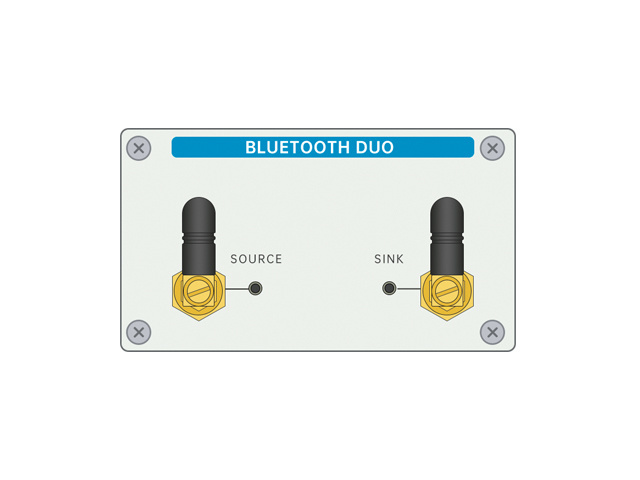
AB-BT-DUO Option
The BT-DUO option is a fully revised and upgraded Bluetooth hardware module with dedicated sources and receivers, new Bluetooth chips and latest firmware, higher RF power, and improved shielding features. And it can provide a series of new audio codecs to meet the diversity of current Bluetooth products. Support new operational features in config-uration files and faster Bluetooth connectivity, enabling engineers to quickly and accurately test Bluetooth products and master their device perfor-mance.
MORE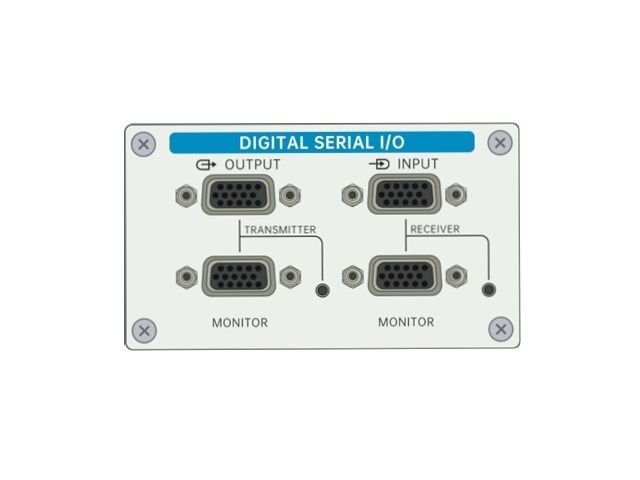
AB-DSIO Option
The DSIO option adds a multi-channel digital serial interface to the audio analyzer, providing direct connections for chip level interfaces and playing a decisive role in the design and development of circuit boards. It is easy to use, with accurate test results, and can be widely used for audio quality testing of various digital devices.
MORE
Follow us
Hotline
Add:101-102, building 2, No. 1310, Guanguang Road, Kukeng community, Guanlan street, Longhua District, Shenzhen,China
Tel:+86-755-83680078
Email:sales@szaptk.com
Online consultation
Copyright © 2023 Shenzhen Abtec Electronics Co.,Ltd All rights reserved.